01
Assessment
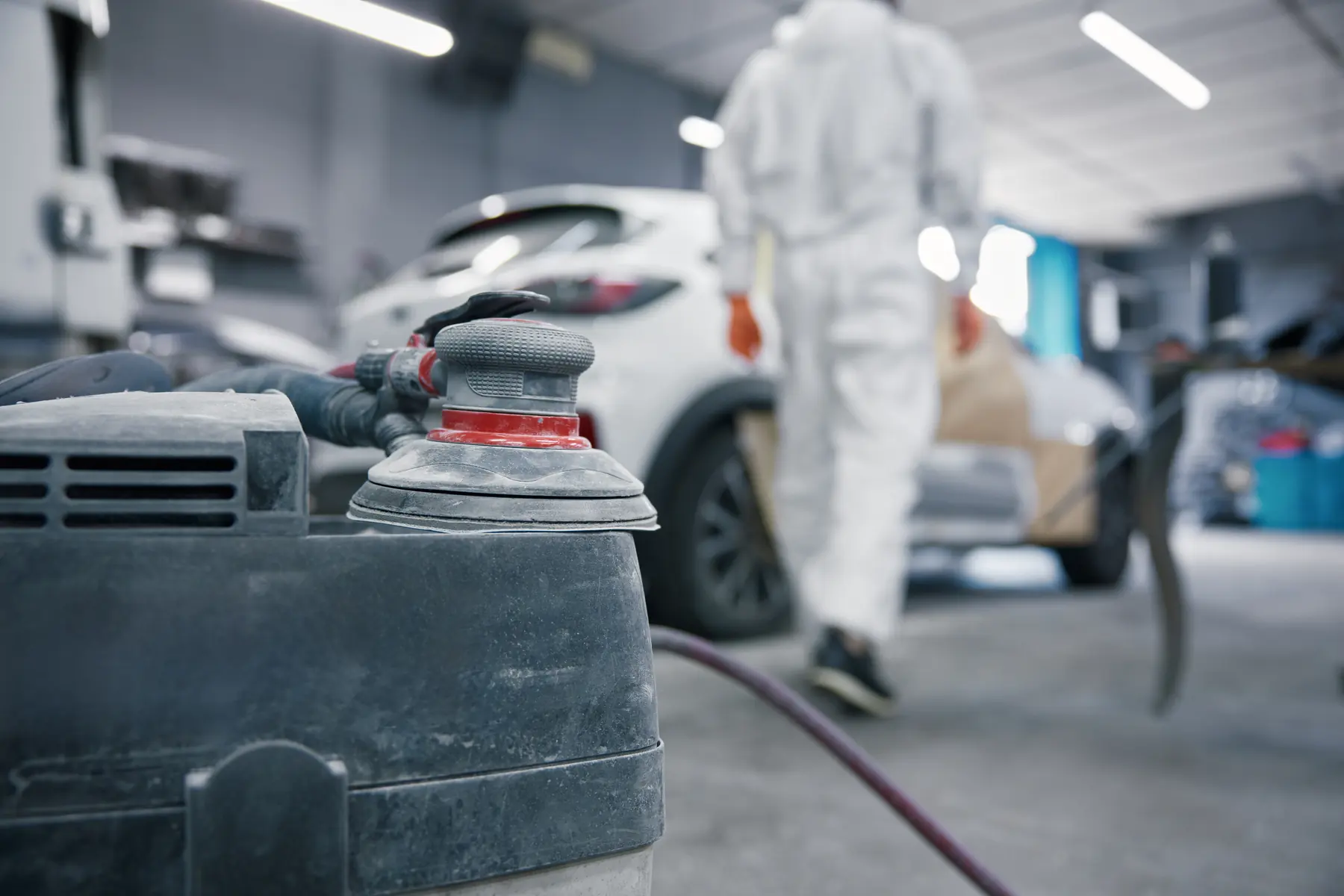
We photograph the vehicle, pull the VIN build data, and write a first estimate. This is the visible damage only, and we say so out loud. Nobody can see behind a bumper cover from the parking lot.
Denver, Colorado
Laser measurement. Factory repair procedures. One advisor who handles the insurance file, the rental, and the updates. Built for Denver drivers who would rather not think about any of it.
The new standard
A 2024 crossover and a 2004 sedan look similar from the curb. Underneath, they have almost nothing in common.
The car in your driveway is a mix of boron steel, ultra high strength steel, aluminum, structural adhesive, and rivets, joined in an order the manufacturer specifies and will not let you improvise. Your bumper cover hides radar. Your windshield holds a forward facing camera. Your mirrors watch the lane next to you.
So the old way of working stopped being good enough. Pulling a car until it looks straight and sending it out the door ignores the part that matters most: whether the structure will still fold the way the engineer designed it to fold the next time something goes wrong.
That's the whole argument for how we work. Measure it, repair it to the written procedure, then prove it with a document you can keep.
| Then | Now |
|---|---|
| Mild steel that forgives a rough pull | Boron and UHSS that cracks instead of stretching, and often has to be replaced, not straightened |
| A bumper cover over foam | A mounting surface for radar, sonar and camera systems that need calibration afterward |
| Glass that keeps the weather out | An optical bench for the forward camera that reads lane lines and brakes for you |
| Tape measure and tram gauge | Electronic measuring compared point by point against factory dimensions |
| A handful of solid colors | Tri coats, pearls and matte finishes that have to be sprayed out and verified before they touch the car |
| It looks straight, so it's done | Pre repair and post repair scans, calibration reports, documented sign off |
More than a body shop
The repair is the part we control. The rest of it, the claim, the rental, the phone tag, is the part that actually wears people down.
So we took it over. You get one advisor with a name and a direct line, and that person stays with your file until you have your keys back.
You drop the car off. You get a text when teardown is done and we know what's really broken. You get another when parts land, another when it goes in the booth, and a call when it's ready. If your adjuster needs something, we call them, not you.
The concierge file
Inside the repair
Craftsmanship
Measurement tells you where the metal has to end up. Getting it there is still a trade, learned slowly, by hand.


From impact to immaculate
On the left, a structure carrying deviation after an impact. On the right, the same vehicle brought back to factory geometry and confirmed by measurement.
Measurement diagram. Not a customer vehicle.
Three words that decide what we do when nobody is watching: put the car back the way the engineer drew it, keep the safety systems honest, and get you back on the road without another headache.
What we repair
Insurance, in plain language
In Colorado, the person who owns the vehicle picks the repair facility. Your insurer can recommend a shop from its network and can tell you what it will pay. Where the car gets fixed is still your call.
We work with every major carrier and we'll handle the file either way. What we won't do is let a repair get shortened because a line item was easier to leave off the estimate.
An estimate that skips the pre repair scan, the post repair scan, or the calibration on a vehicle that needs one. Those aren't upsells. They're how the manufacturer says the car has to be put back together, and skipping them is how a car leaves a shop with a camera pointing at the wrong part of the road.
Reviews
Every repair we finish gets a follow up, and whatever comes back gets published here without editing. Our Google reviews are the fastest way to read them in the meantime.
Verified reviews only. Nothing written in house.
Customer reviews are published here as they come in from verified repairs.
Read our Google reviewsServing the Denver metro
Denver hands vehicles a specific kind of abuse. Spring hail that arrives in fifteen minutes. Gravel and mag chloride on I-70 all winter. Sixty degree temperature swings that work every seam on a car. Merges on I-25 where two lanes become one and somebody is always surprised.
We repair what those conditions do, for drivers across the metro and the foothills communities that commute into it.
Service area diagram, not to scale
Questions people actually ask
No. In Colorado the vehicle owner picks the repair facility. An insurer can recommend a shop from its network and can tell you what it will pay, but the choice of who does the work belongs to you. Tell your adjuster you're using Colorado Collision Repair and we'll take the file from there.
It depends on what teardown finds and how fast parts arrive. A bumper cover with one sensor can move quickly. Structural work with a calibration and a tri coat refinish takes longer.
We give you a target date after teardown, once the hidden damage is documented, instead of guessing on day one and moving the date three times.
ADAS covers the systems that watch the road for you: forward cameras, radar, blind spot sensors, parking sonar, lane keeping. If your vehicle has them and we replaced or moved the part they mount to, or changed ride height or alignment, the manufacturer requires a calibration afterward.
We follow the factory procedure for your specific vehicle and hand you the documentation when it's done. More on calibration.
Yes. We write the estimate, send supplements when teardown reveals more damage, communicate directly with your adjuster, and keep you copied on the decisions that affect your out of pocket cost. You're not the messenger between two companies.
Yes. Most Front Range hail is repaired with paintless dent repair, which keeps the factory finish on the car. Panels with cracked paint, stretched metal, or damage sitting on a body line get conventional repair and refinishing instead.
We tell you which panels fall in which category before work starts, not after.
Start your repair
Send photos, get a call back from a real advisor, and know what happens next before you commit to anything.